

On October 29, 2024, Governor Josh Shapiro signed Senate Bill 1232 into law, updating the Pennsylvania Workers’ Compensation Act to modernize how wage loss benefits are paid. Now known as Act 126 of 2024, this change affects injured workers across the Commonwealth and shifts how compensation payments are delivered after a work accident.
For employees dealing with lost income after a workplace injury, payment delays can add stress to an already difficult situation. Understanding how this new law works, what it requires from claimants, and how it impacts wage replacement benefits is critical for anyone navigating the workers’ compensation system.
What Act 126 Changes for Workers’ Compensation Payments
Direct Deposit Is Now the Required Option
Under Act 126, insurance carriers and self-insured employers must offer direct deposit for wage loss benefits. This applies to indemnity payments tied to employment-related injuries, including temporary total disability and partial disability benefits. Paper checks are no longer the default method for ongoing wage payments when direct deposit is available. This change was designed to reduce delays, lost checks, and administrative issues that often occur when payments are mailed.
When the Law Takes Effect
- The law was signed by Governor Shapiro on October 29, 2024
- The effective date is December 28, 2024
- Full compliance is required as of December 28, 2025
By the end of 2025, insurers should have systems in place to issue payments by direct deposit to eligible claimants.
Which Workers’ Compensation Payments Are Covered
Wage Loss Benefits Are the Focus
The direct deposit requirement applies only to wage-loss payments issued after a work injury. These benefits replace income when an injured worker cannot return to work due to pain, medical restrictions, or ongoing treatment recommended by a physician. Examples include benefits paid after injuries involving a machine, manufacturing work, repetitive strain injury, or occupational disease such as asbestos exposure.
Payments Not Covered by the Requirement
Some payments are excluded from the mandate, including:
- Lump sum settlements approved by a workers’ compensation judge
- Medical expense reimbursements
- Attorney fee payments
Short-term claims expected to last fewer than 60 days may also be excluded unless the claimant is already receiving payment by direct deposit.
The Required Authorization Form LIBC 215
Why the Form Matters
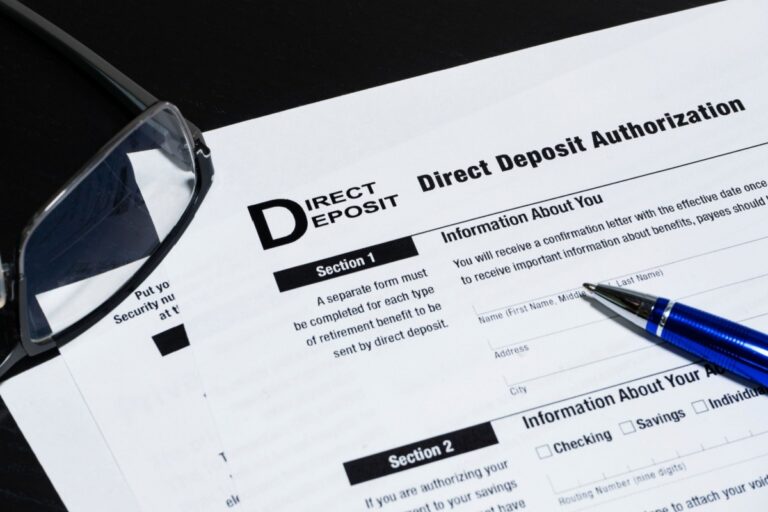
To receive wage loss benefits by direct deposit, a claimant must complete and submit the Payment Authorization Form LIBC 215. Without a valid authorization form, an insurer cannot issue electronic payment, even if the claimant prefers that method. This form gives the insurance carrier permission to deposit payments directly into the claimant’s bank account.
What Claimants Must Provide
The LIBC 215 form requires:
- Banking information for payment
- Confirmation that the claimant authorizes direct deposit
- Acknowledgment that false information may affect benefits
Once the insurer receives a valid authorization form, direct deposit must begin within 45 days. If the form is not returned within 30 days of the notice, payments may continue by mail temporarily.
Why Direct Deposit Can Affect Your Workers’ Compensation Case
Reduced Delays and Payment Disruptions
For injured workers relying on wage replacement income, missed or delayed payments can create serious financial risk. Direct deposit reduces reliance on mail delivery and helps stabilize income during recovery. This is especially important for workers dealing with ongoing treatment, health care expenses, or limited mobility after a car accident, truck accident, or premises liability-related incident.
Fewer Administrative Disputes
Electronic payment reduces disputes over missing checks, incorrect addresses, or processing delays. However, errors can still occur, and insurers may fail to implement direct deposit properly. When payment problems arise, documentation can serve as evidence to support a legal claim.
When a Workers’ Compensation Lawyer Becomes Involved
Addressing Late or Incorrect Payments
If wage loss benefits are delayed, reduced, or stopped without proper notice, a workers’ comp lawyer can help review your case. This may involve examining your medical record, insurance filings, and payment history. A work injury lawyer can also file petitions to recover unpaid benefits and seek penalties when insurers fail to follow the law.
Complex Claims and Disputed Liability
Claims involving disease, repetitive strain injury, or fault disputes often face additional scrutiny. These cases may involve witness statements, medical opinions, or challenges raised by insurance carriers. Work injury attorneys assist with negotiation, evidence gathering, and hearings before a judge when disputes cannot be resolved informally.
Speak With Robinson Law LLC About Your Workers’ Compensation Rights
If you were hurt at work and are dealing with delayed wage payments, confusion over direct deposit, or resistance from an insurance company, Robinson Law LLC is ready to help. Paula proudly represents injured workers across Pennsylvania and focuses exclusively on workers’ compensation law.
As a workers’ compensation lawyer with decades of experience, Paula Robinson understands how payment issues impact injured workers and their families. We help clients protect income, manage medical expenses, and pursue the full compensation allowed under the law. Contact Robinson Law LLC today to speak with a workers’ compensation attorney who will review your situation, explain your options, and advocate for you every step of the way.